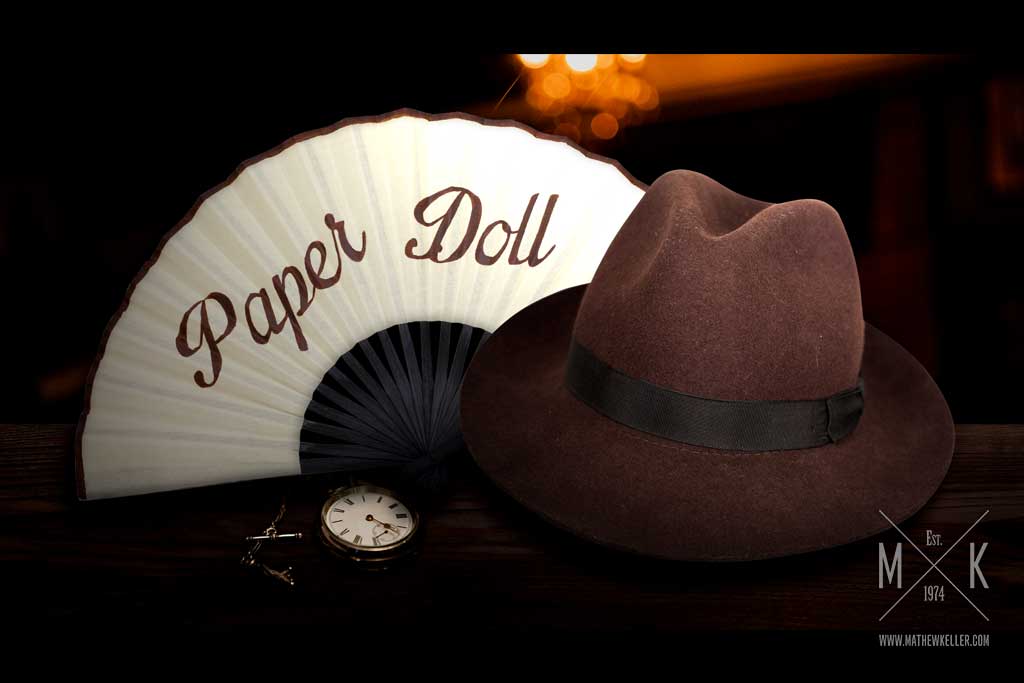
Paper Doll is a short narrative film built around vintage clothing, social swing dancing and the tension between performance, identity and romance.
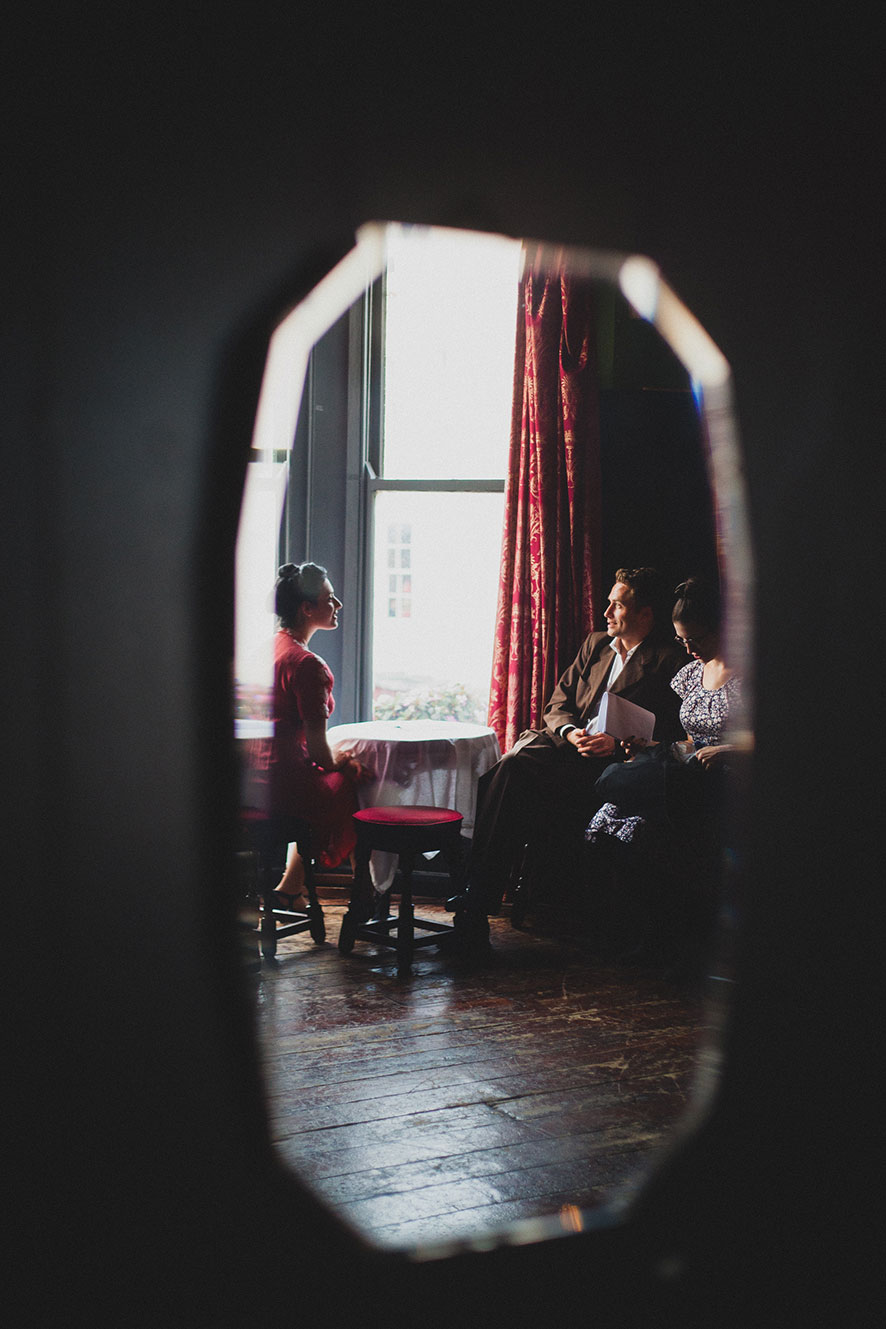
The film follows Edward, a young man who dresses every day as though he belongs to the 1940s. Isolated in ordinary working life but alive on the dance floor, Edward’s carefully constructed world begins to shift when he meets Agatha, a woman who seems to understand the gentleman he has always tried to become.
Role
- Writing
- Direction
- Story development
- Casting and production planning
- Period styling and visual tone
- Location-led production
- Editing and final presentation
Story & setting
The film was conceived as a small romantic ghost story set inside the contemporary vintage and swing-dance scene.
Rather than treating the 1940s influence as simple nostalgia, the story uses Edward’s clothes, manners and rituals as part of his inner life. His attachment to the past is both a shield and a performance, giving the film its central question: is Agatha the woman who brings him closer to himself, or only another paper doll?
Making the film
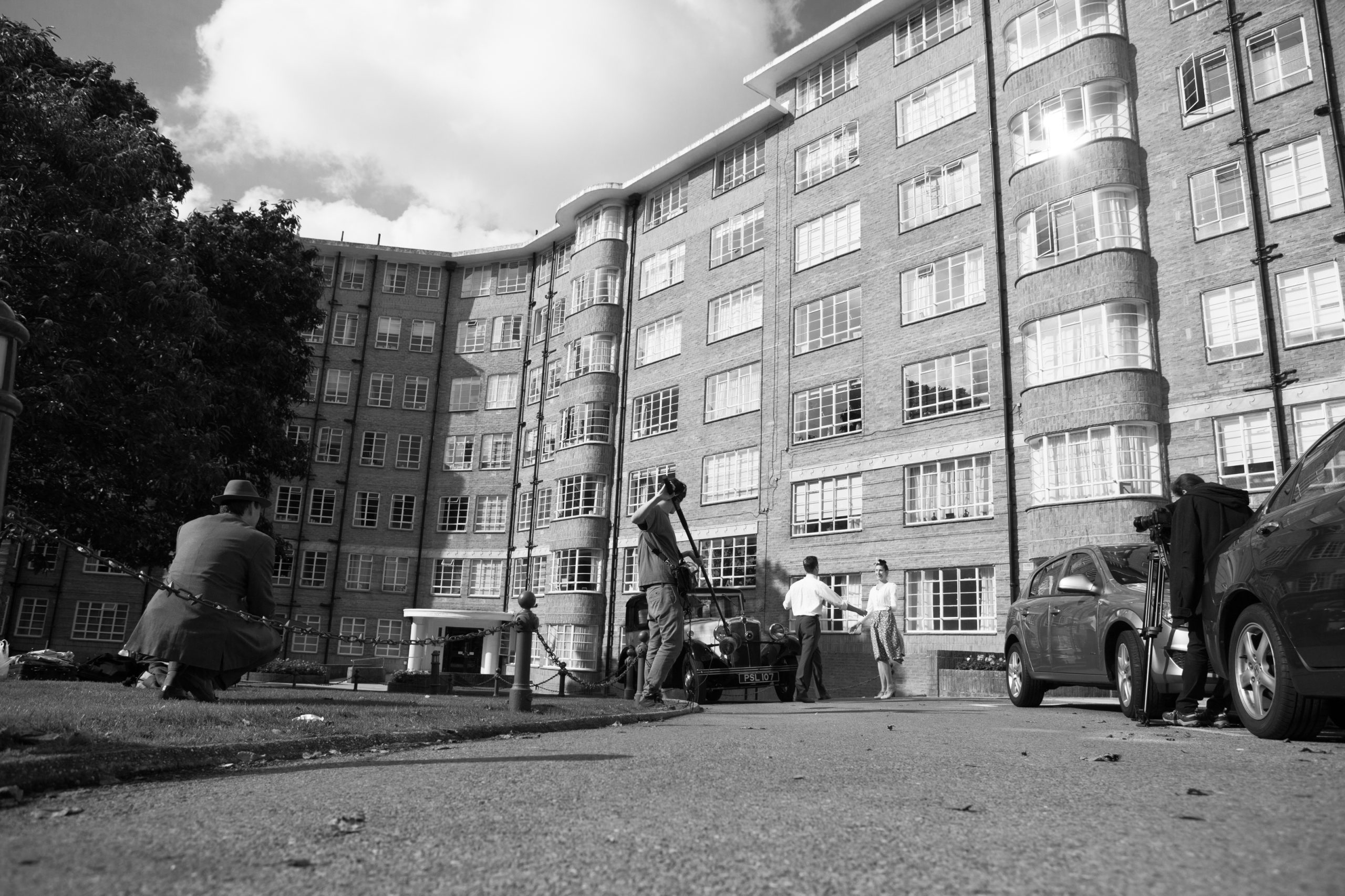
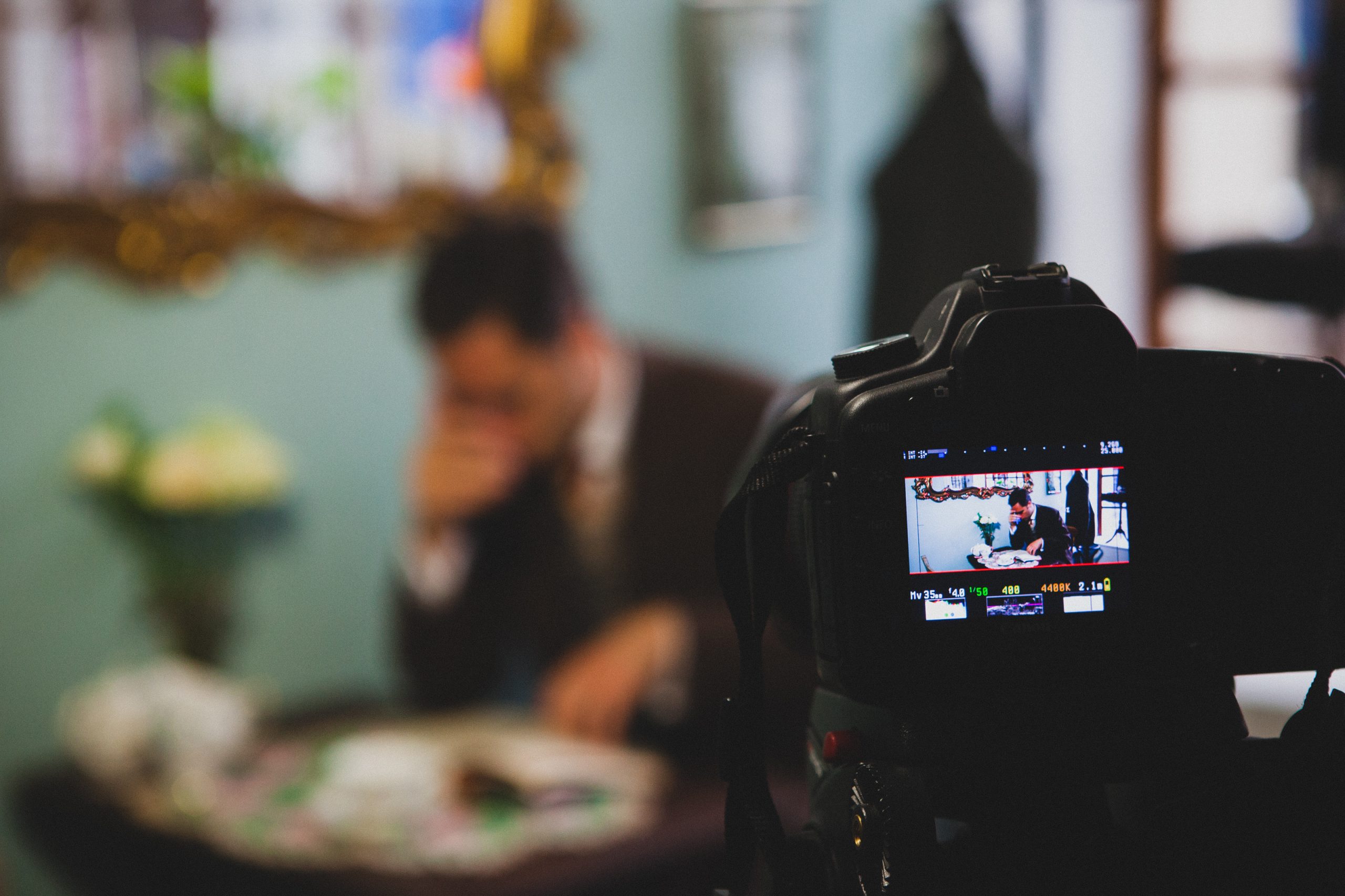
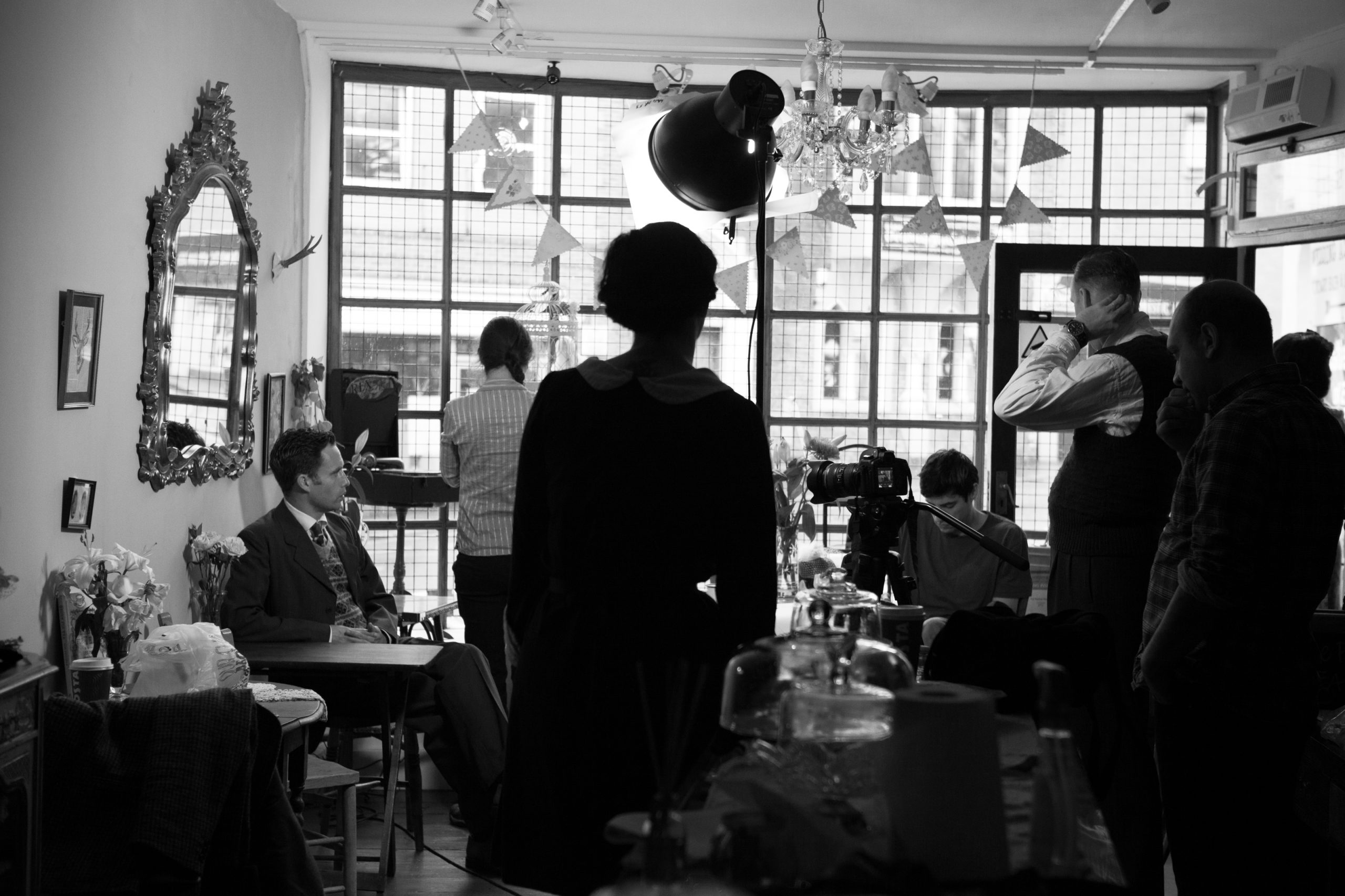
Produced on a micro-budget, Paper Doll was filmed over four weekends in and around homes, offices, vintage locations and swing-dance events.
The production relied on a small cast and crew, borrowed props and clothing, live music connections and the support of friends within the Brighton swing-dance community. Those practical constraints became part of the film’s texture, giving the finished piece a handmade quality rooted in the locations, interiors and vintage community in which the story takes place.
Credits
Cast
Matthew Blacklock
Fleur McGerr
Katie Sommers
Ruth Netania
Anna Symes
Sarah Podmore
Supporting cast
Brighton Lindyhoppers
Crew
Adnan Mangral
Anya Krasnikova
Leon Radschinski-Gorman
Live music
The Swing Ninjas
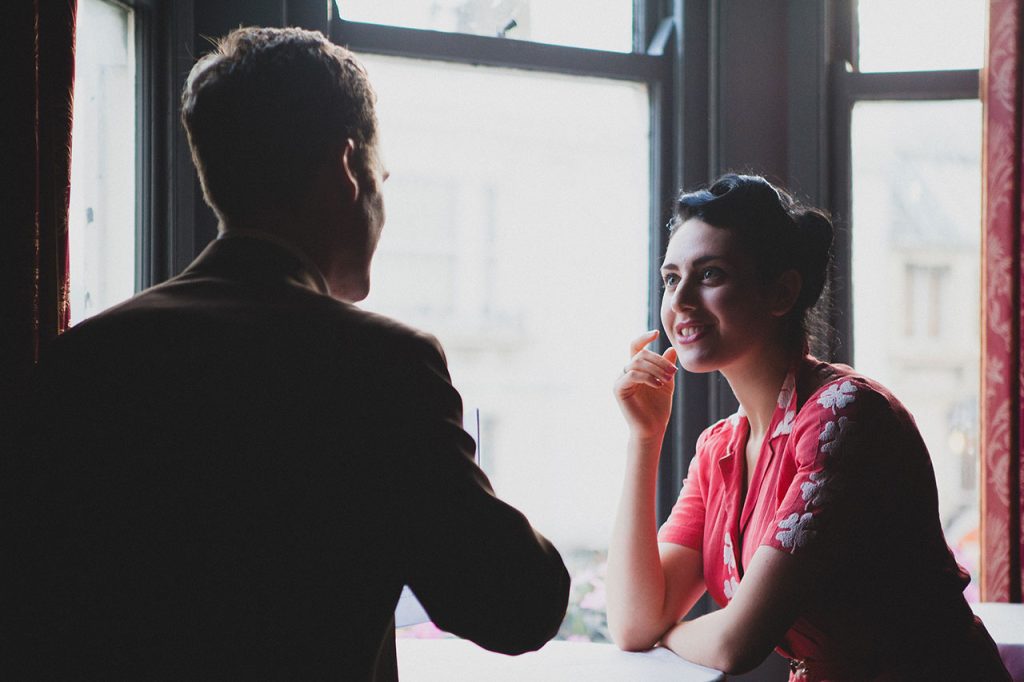
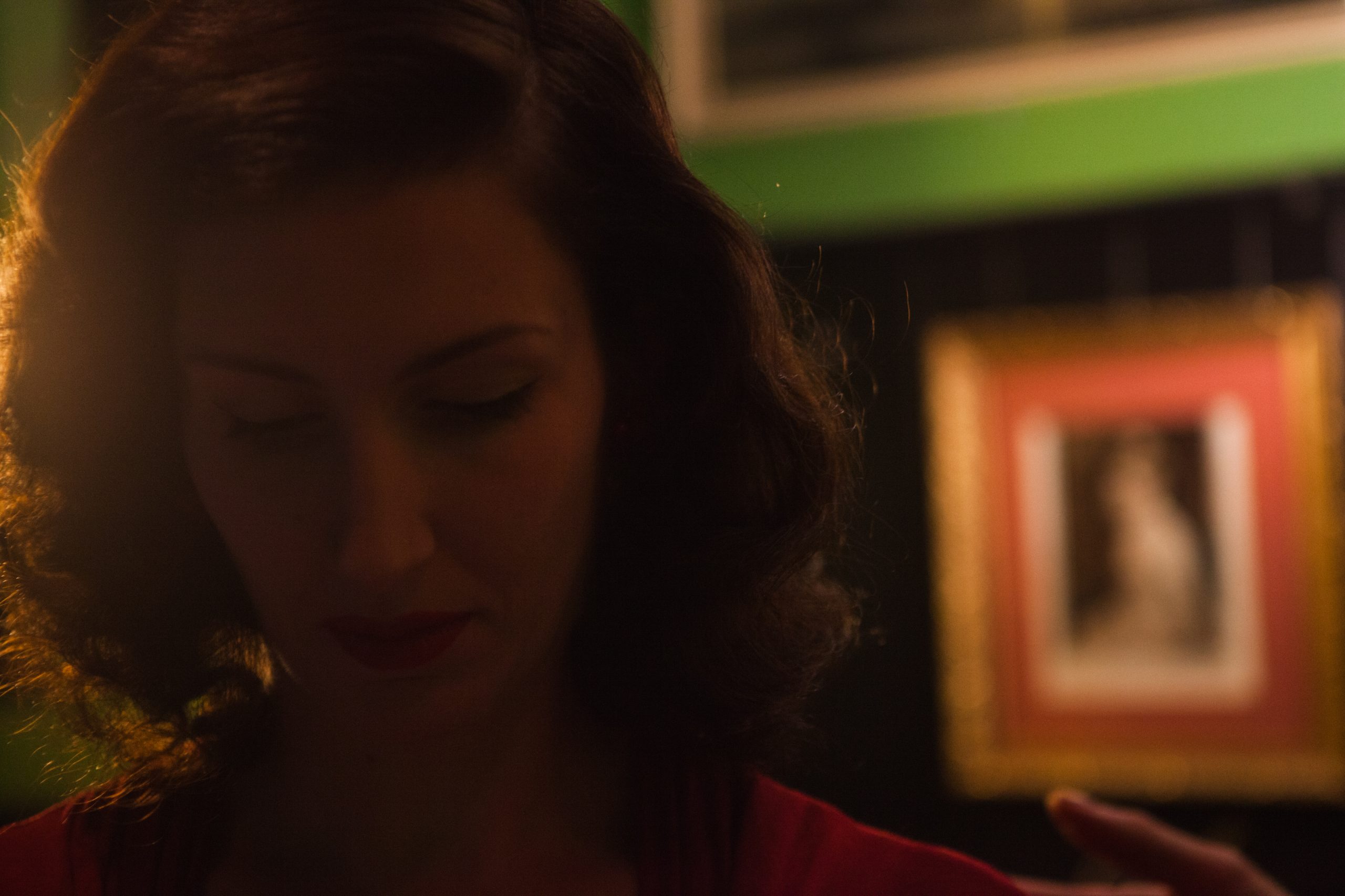
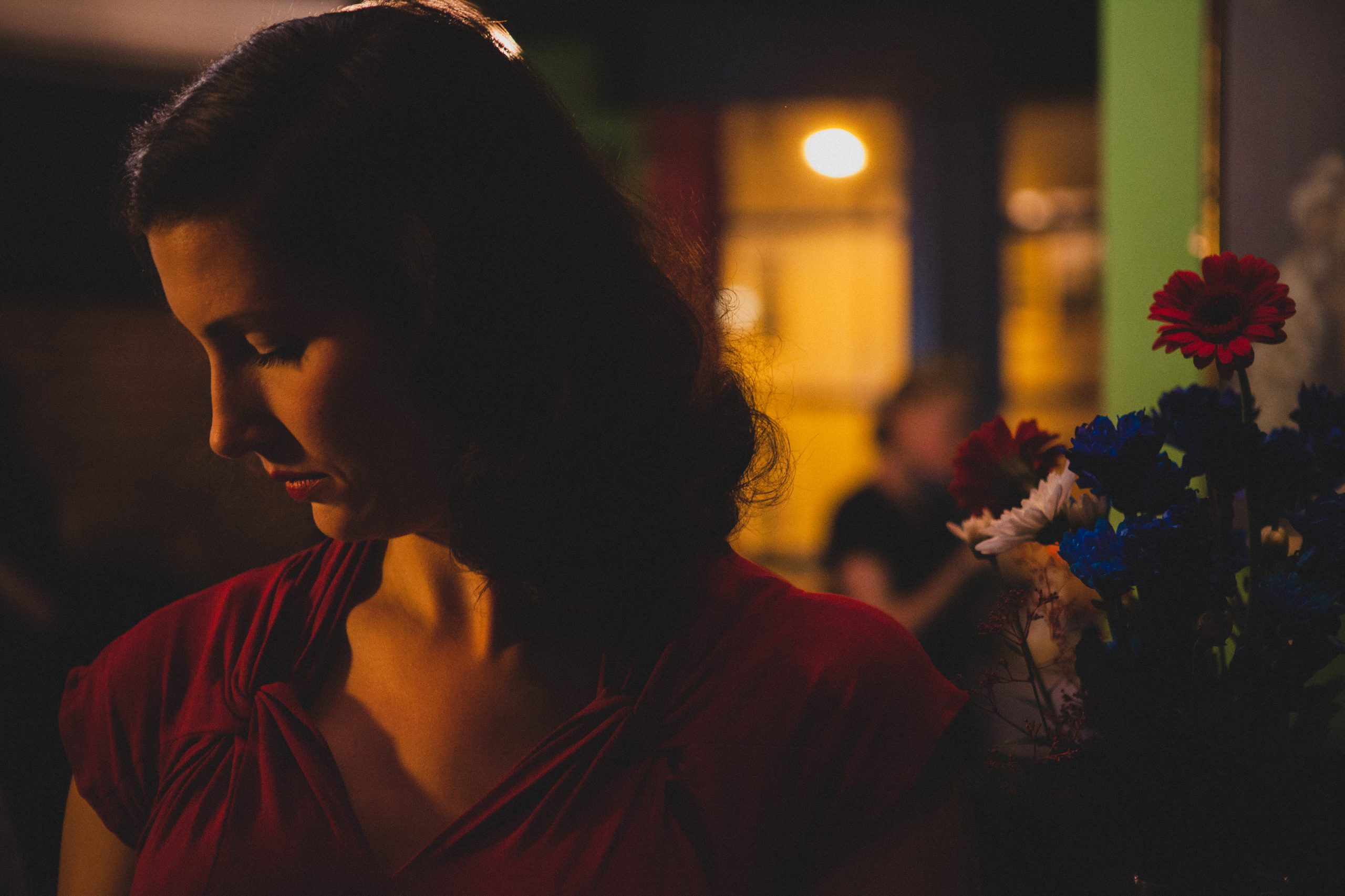
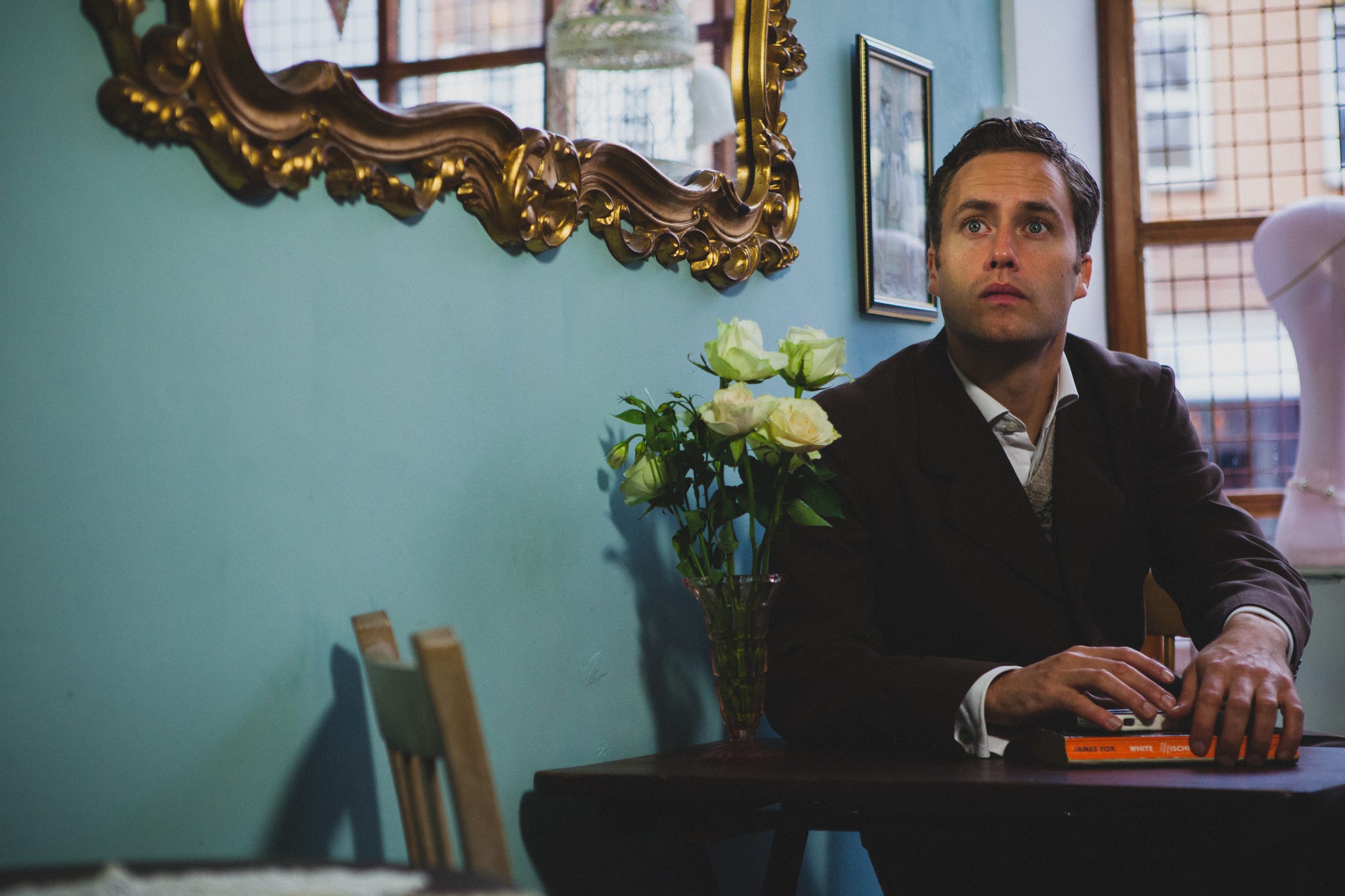
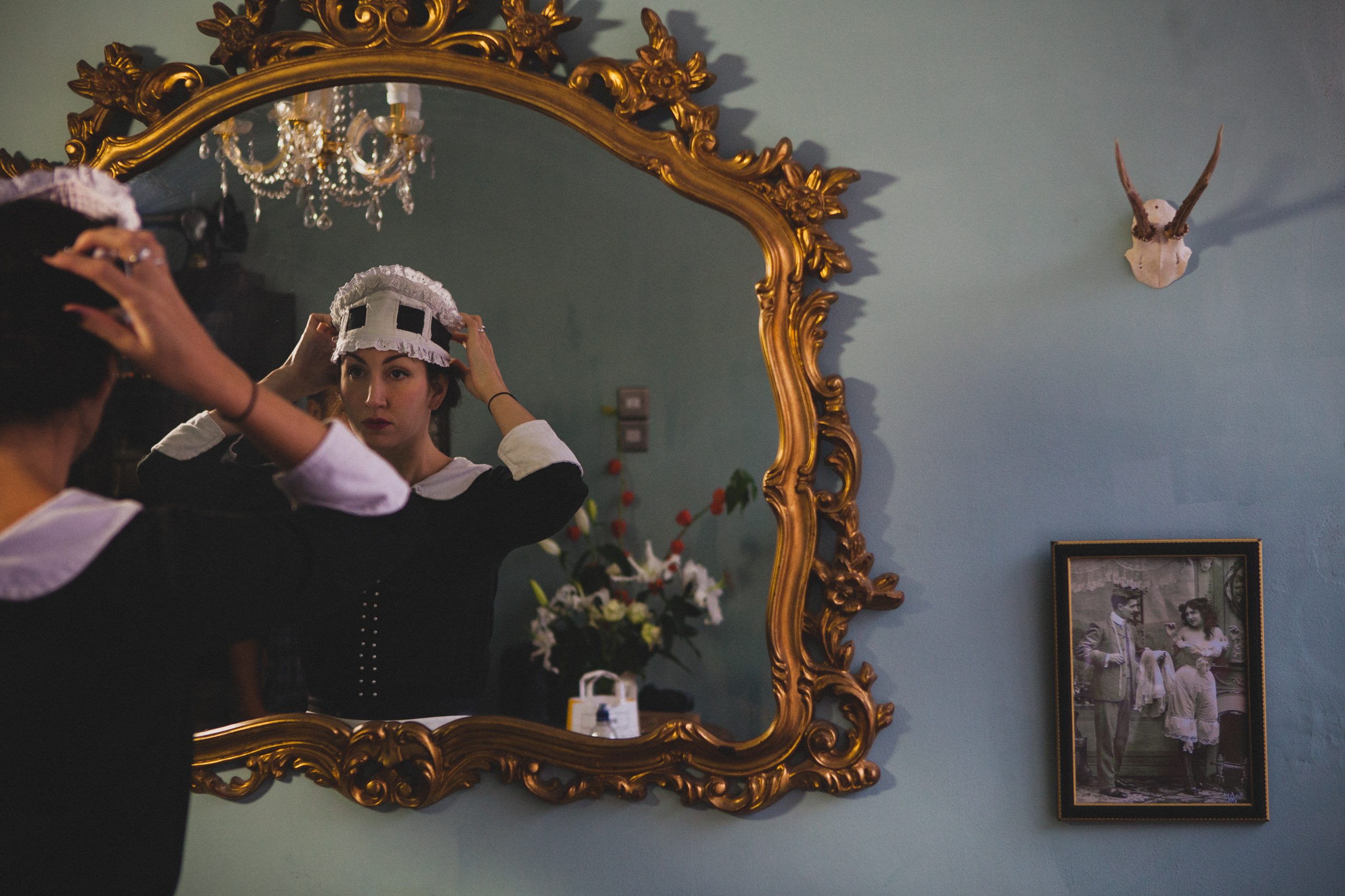
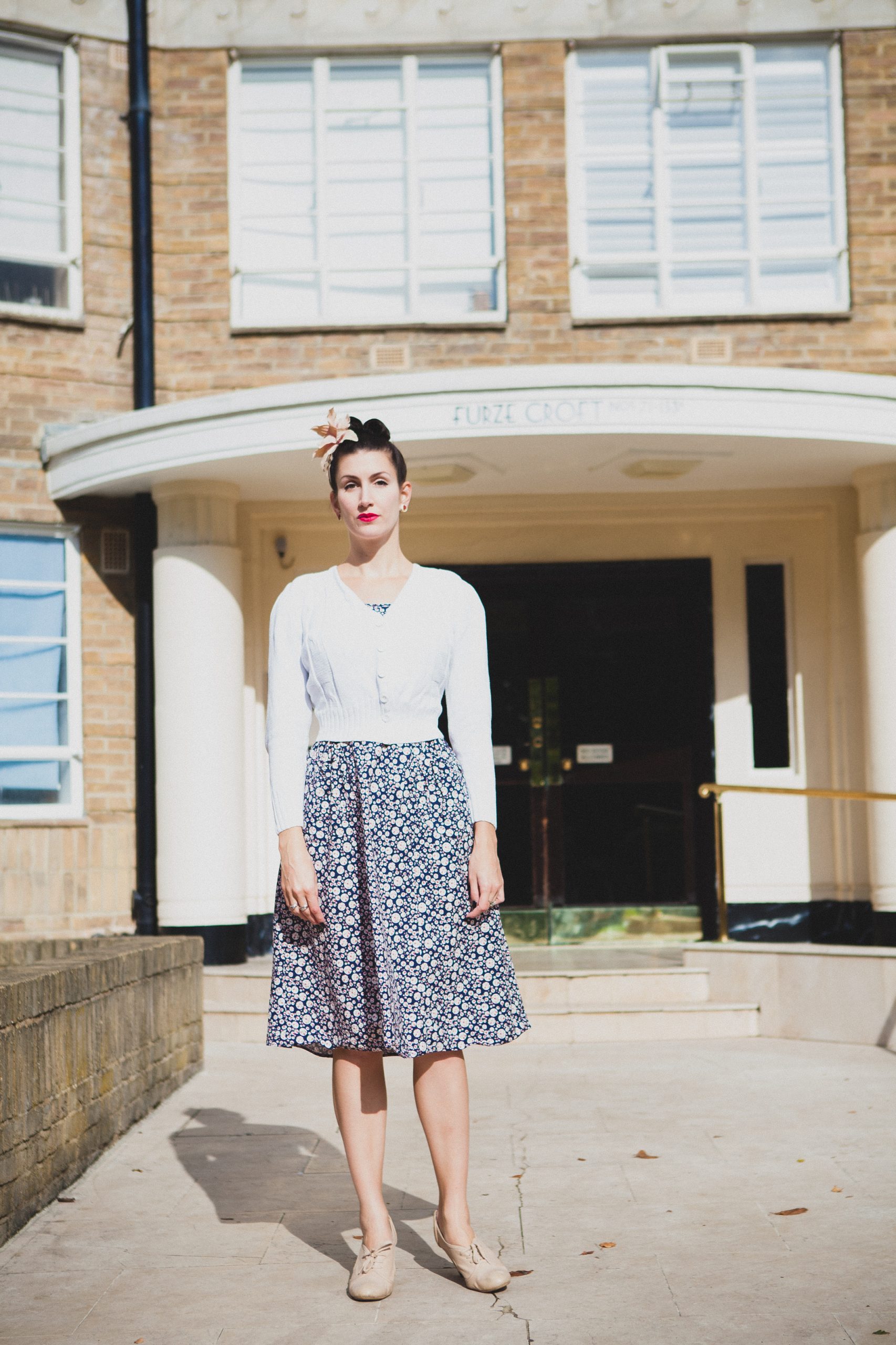
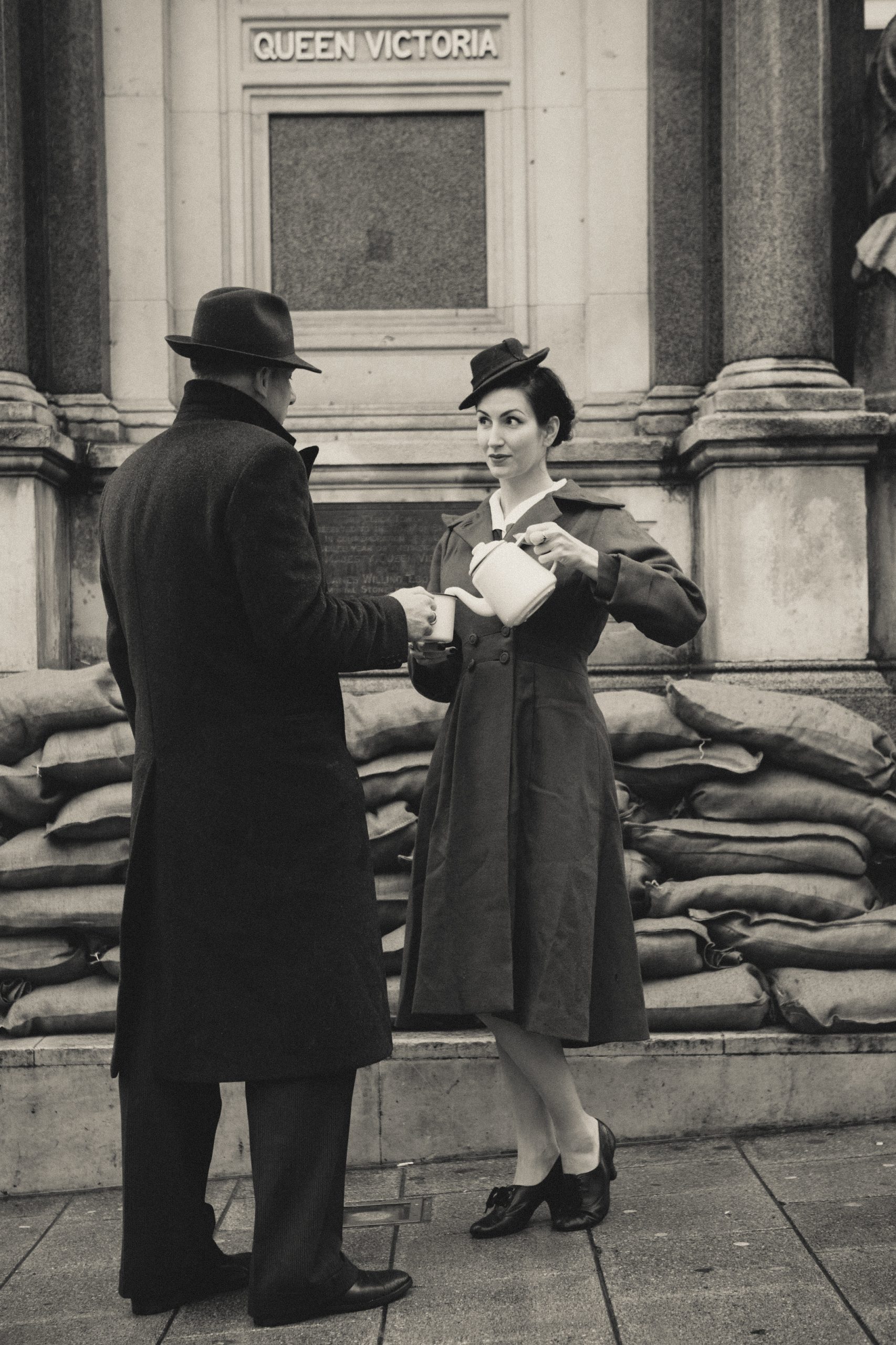
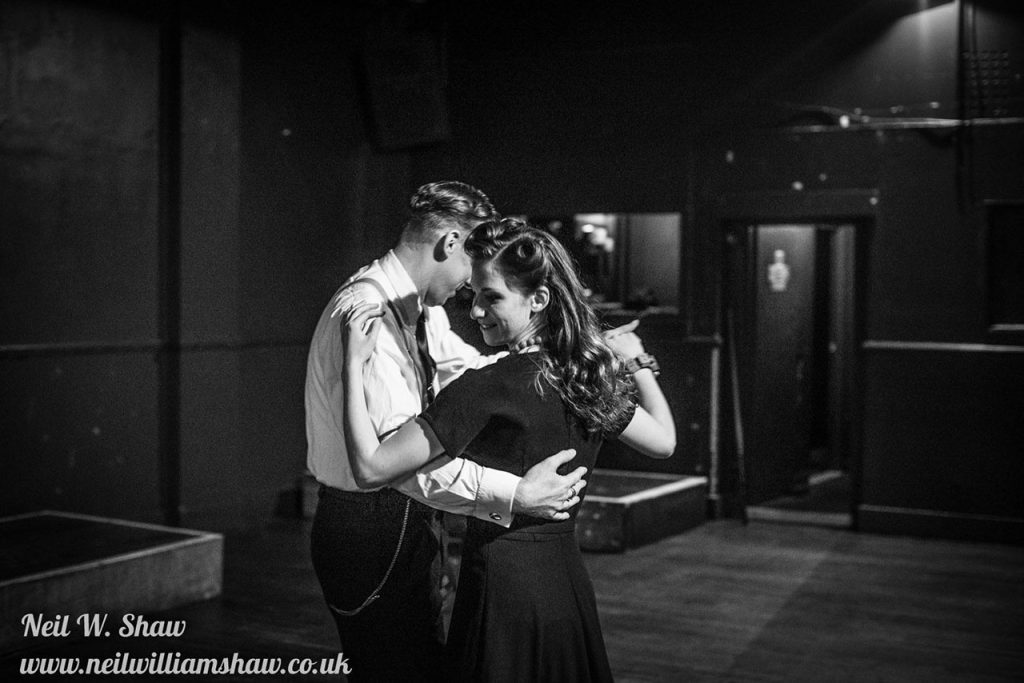
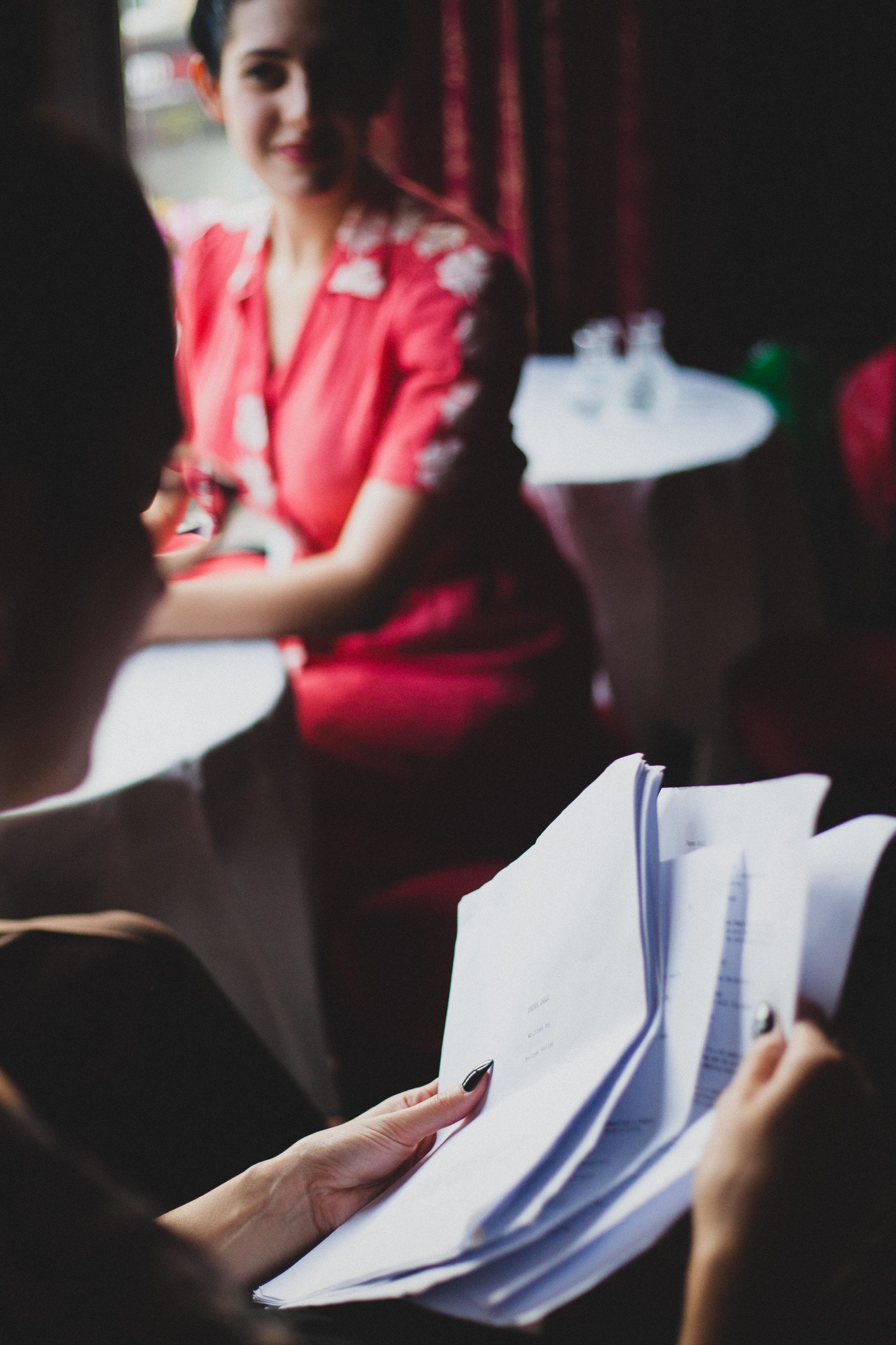
Selected production stills
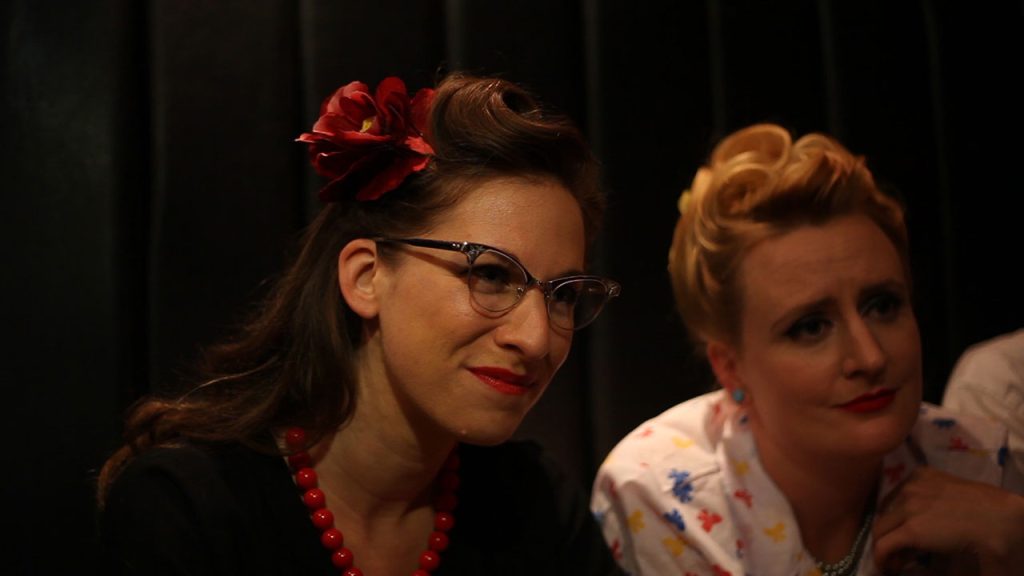
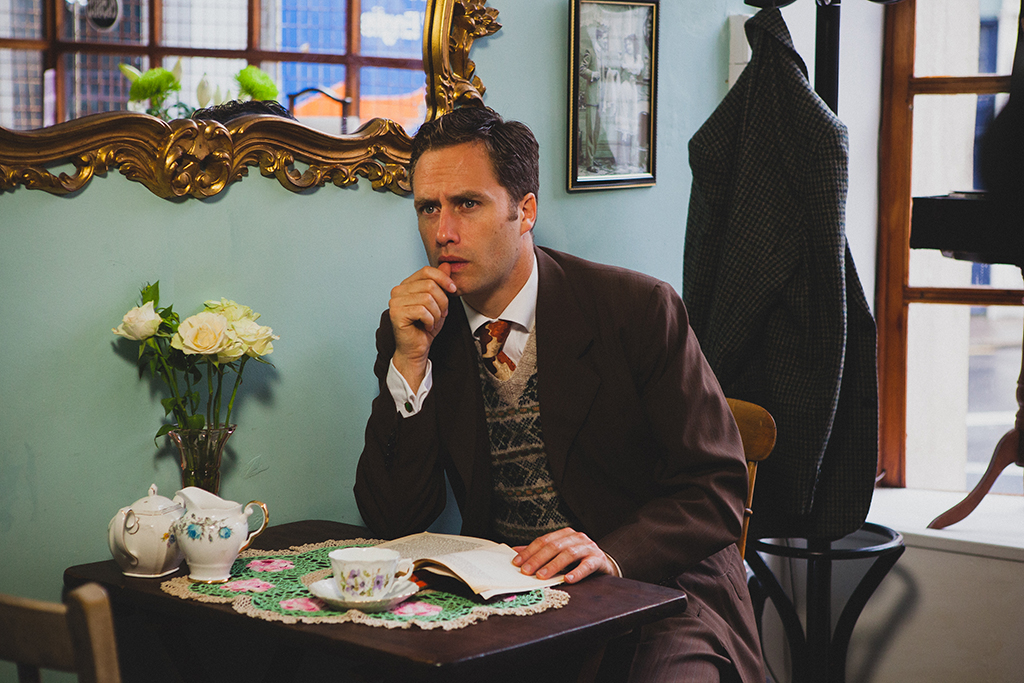
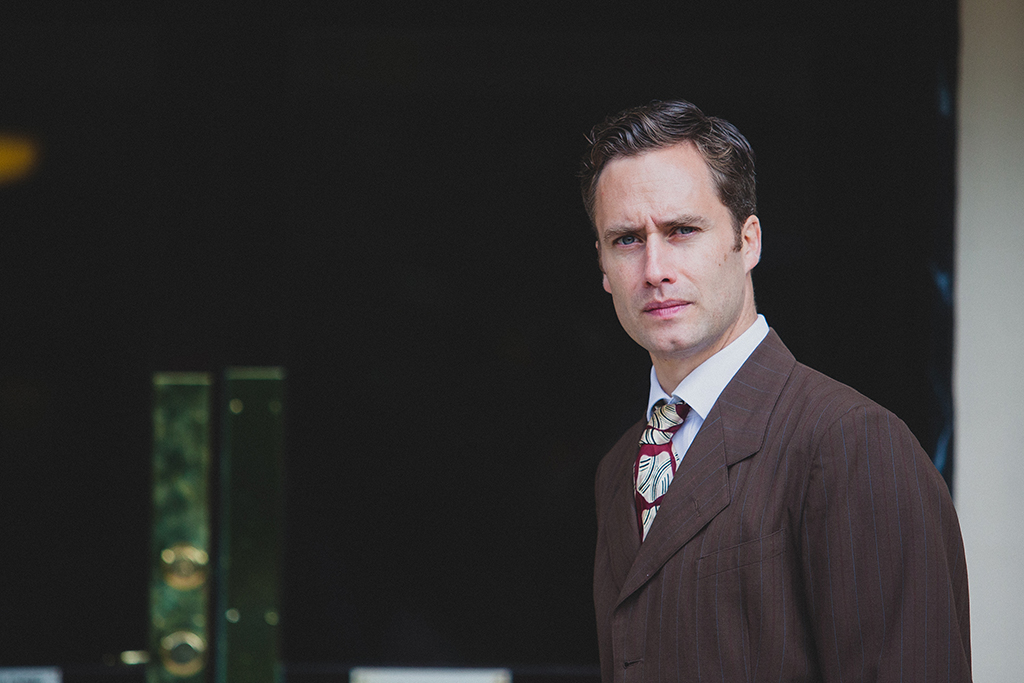
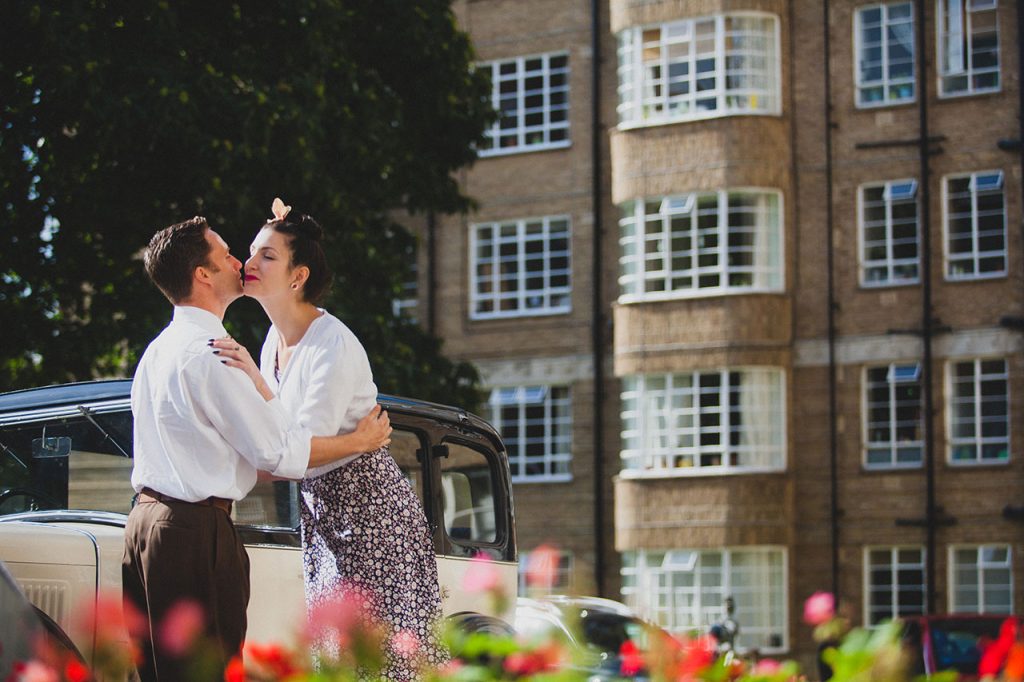
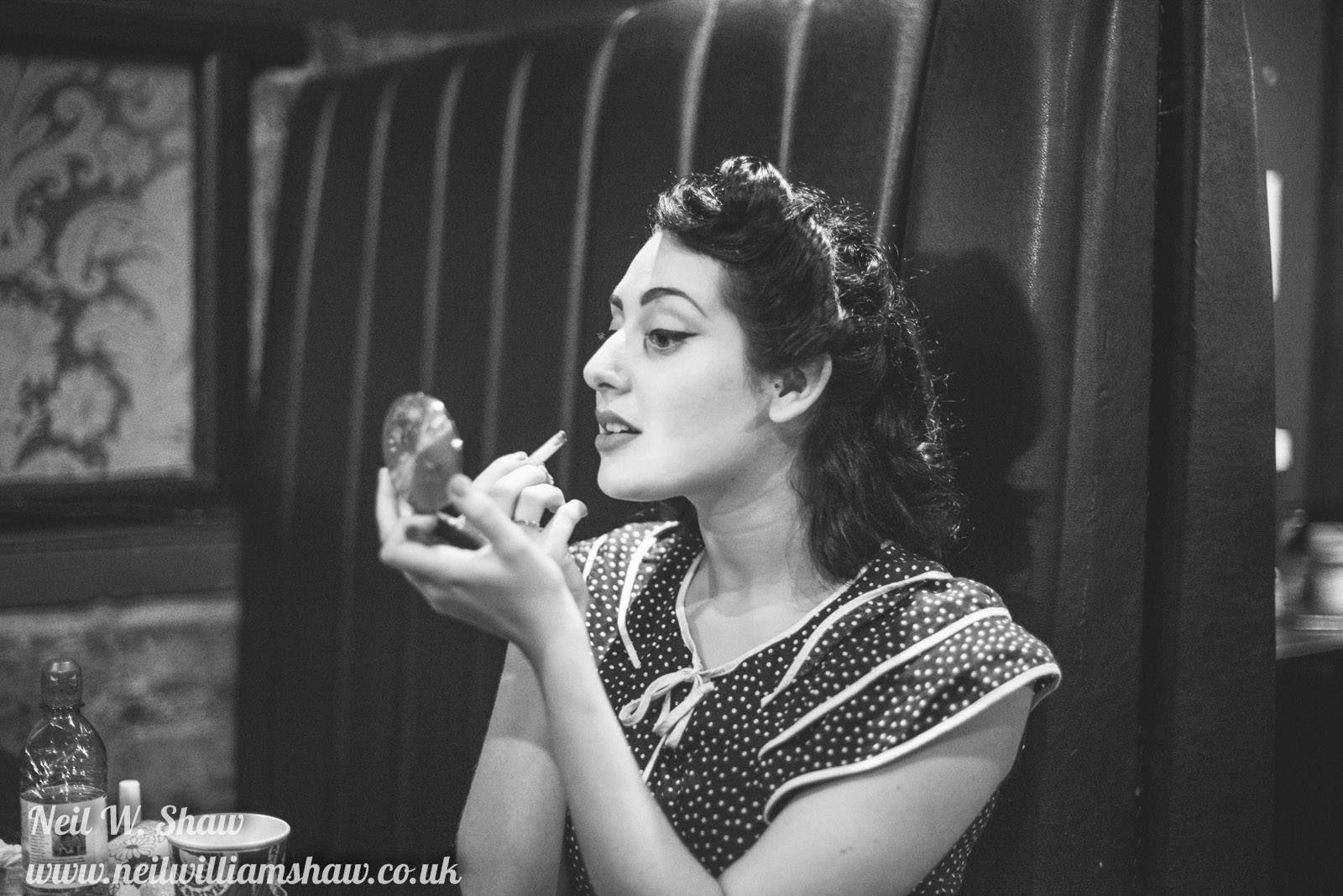
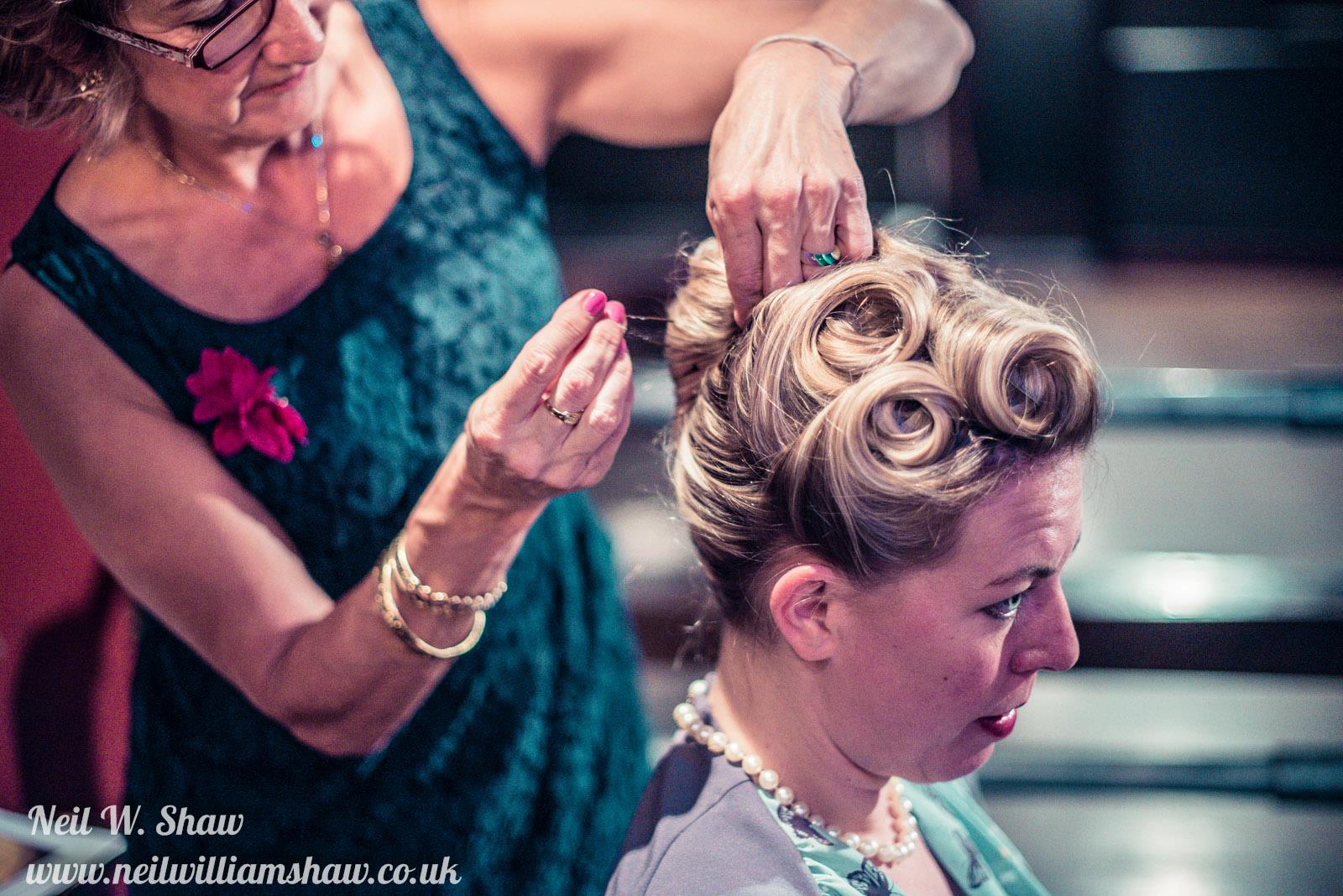
Behind the scenes
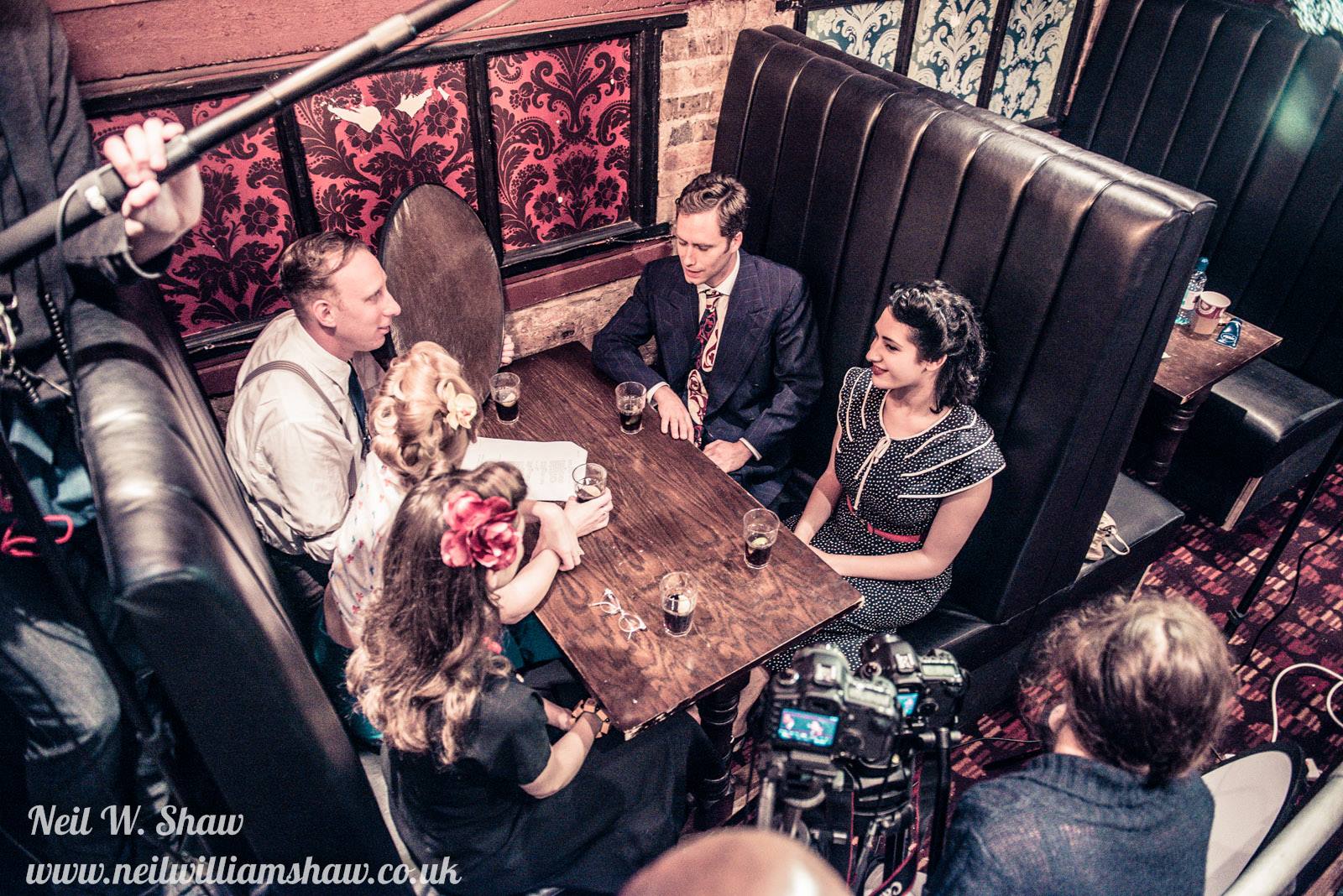
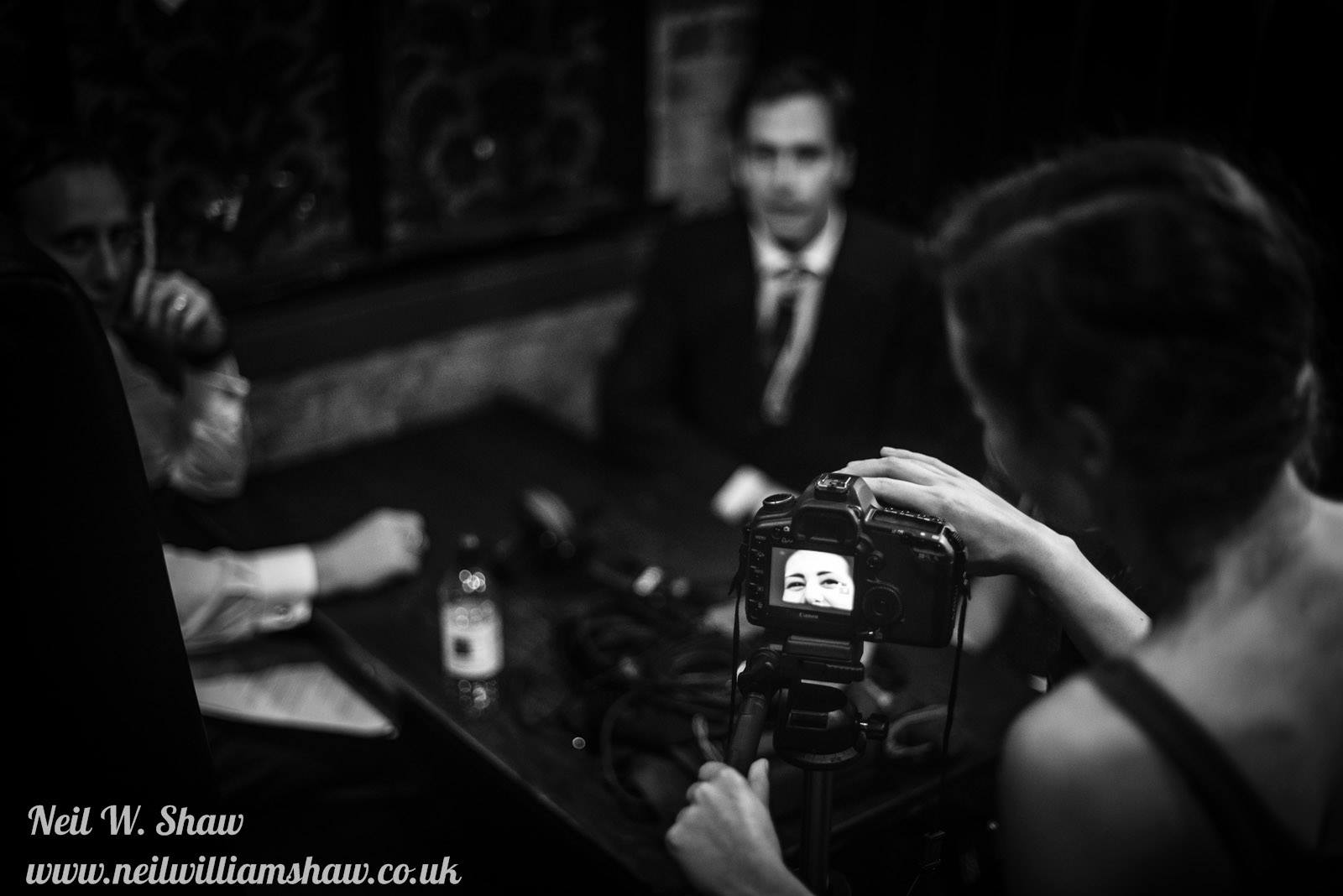
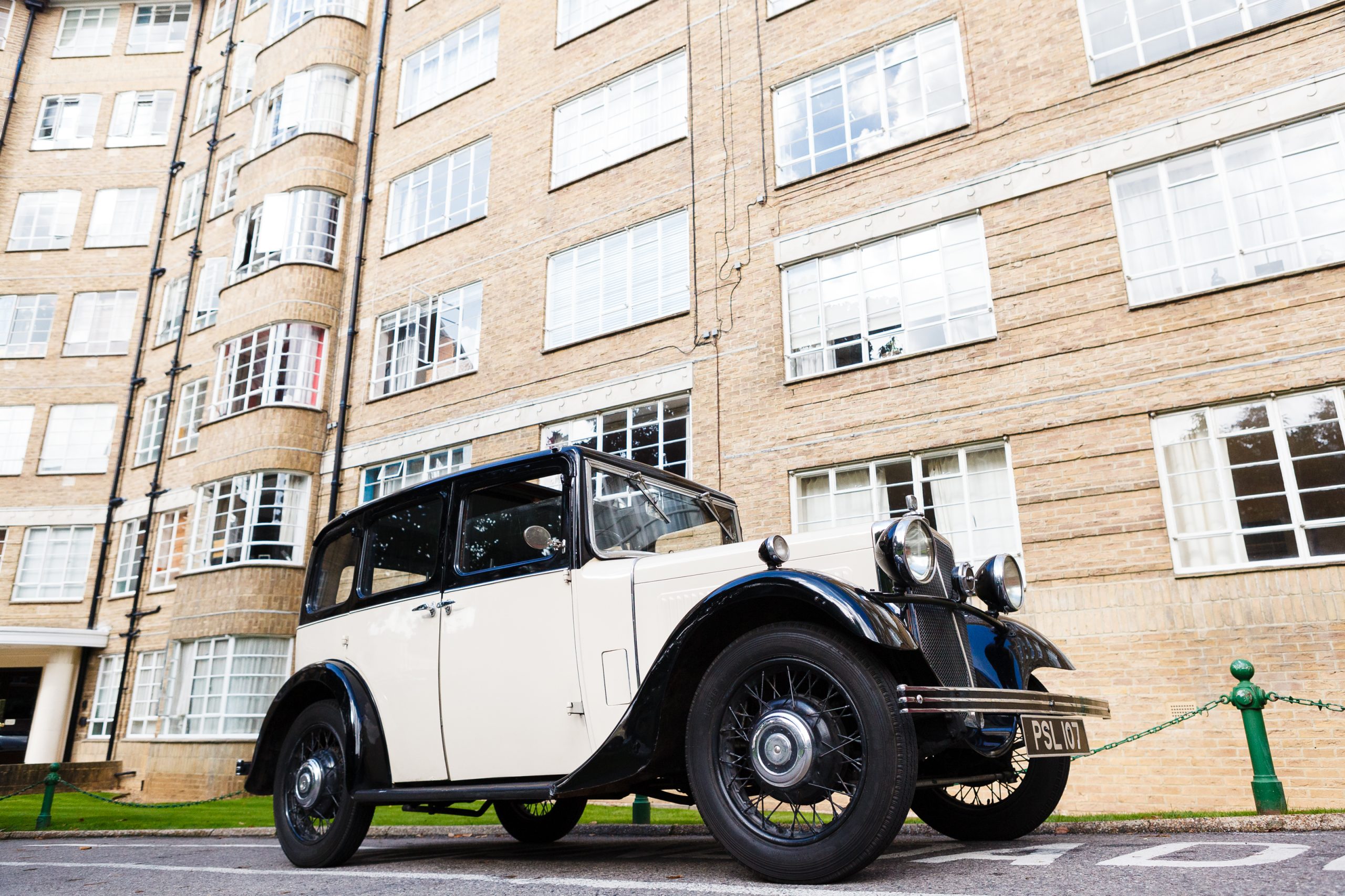
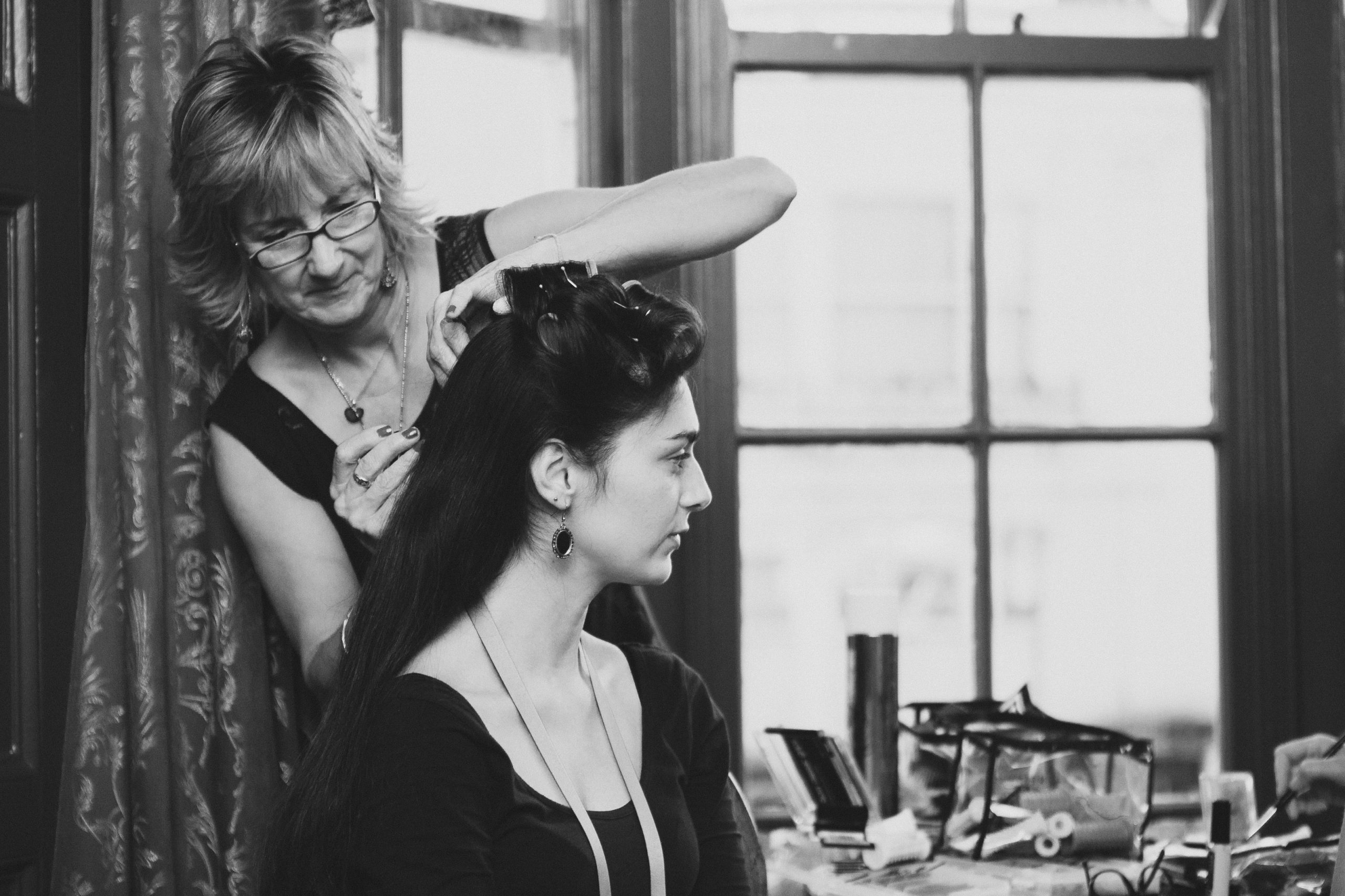
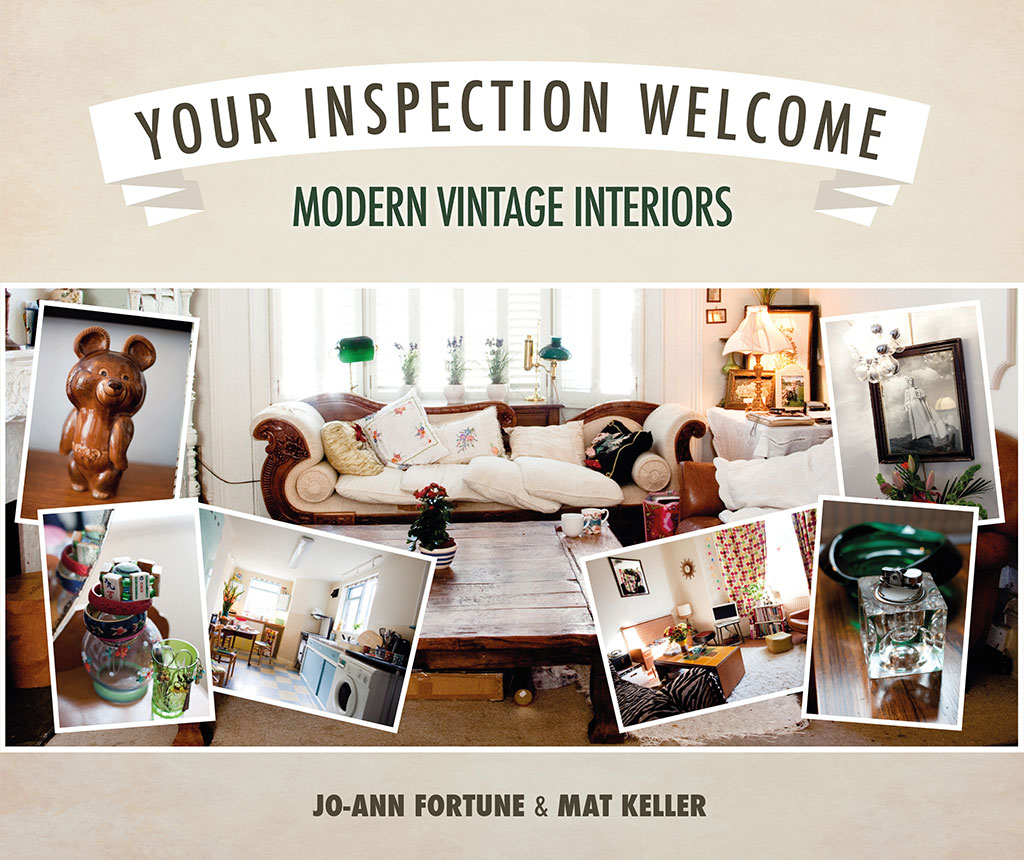
Your Inspection Welcome was a publishing project built around vintage interiors, collected objects and the stories people tell through their homes.
The book brought together photography, written commentary, interviews and page layouts to present real domestic spaces as lived-in collections rather than styled interiors.
Role
- Editorial development
- Writing and copy
- Interview structure
- Image selection and sequencing
- Book layout and presentation
- Publishing direction
Editorial concept
The project treated each home as a portrait of its owners: not just a set of rooms, but a collection of choices, objects, habits and personal histories.
The writing and image selection were shaped to preserve that sense of character, allowing the interiors to feel personal, eccentric and specific rather than polished into a conventional design-book style.
Book structure & presentation
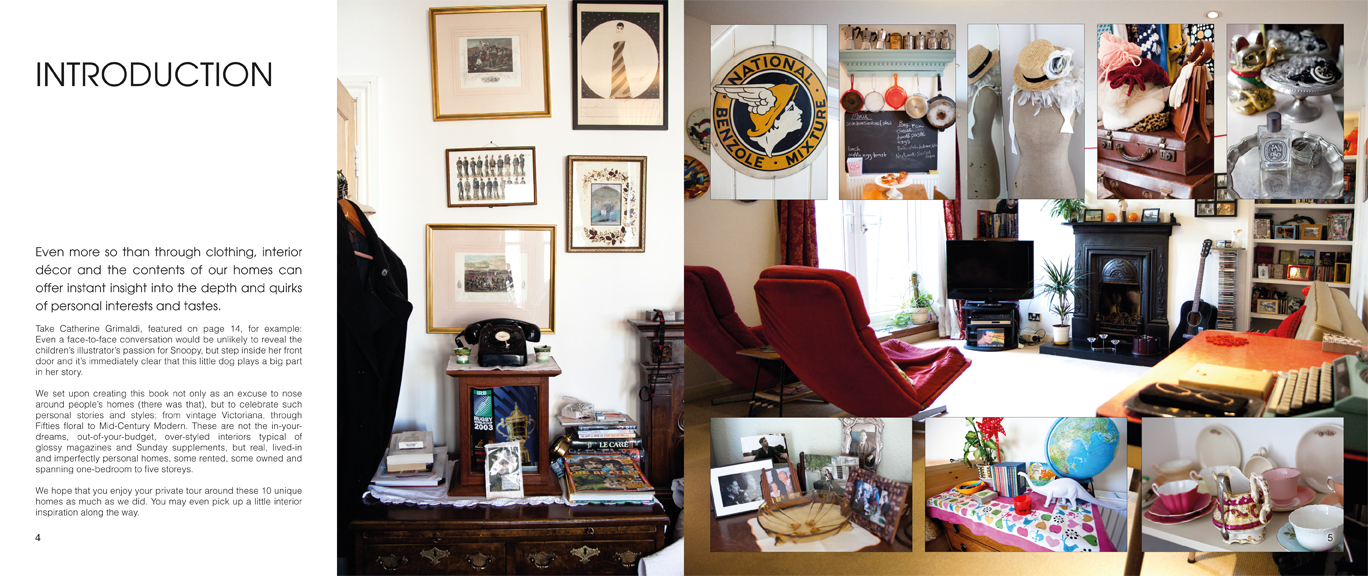
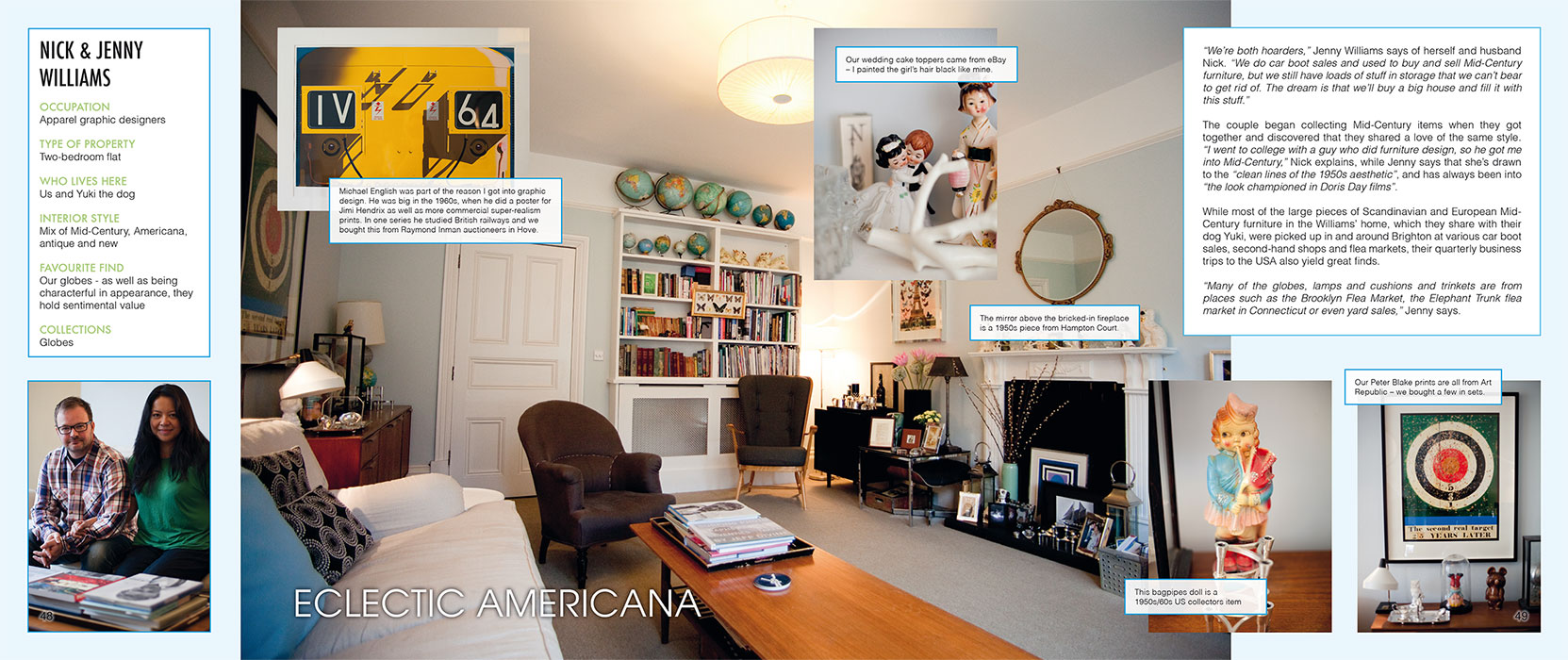
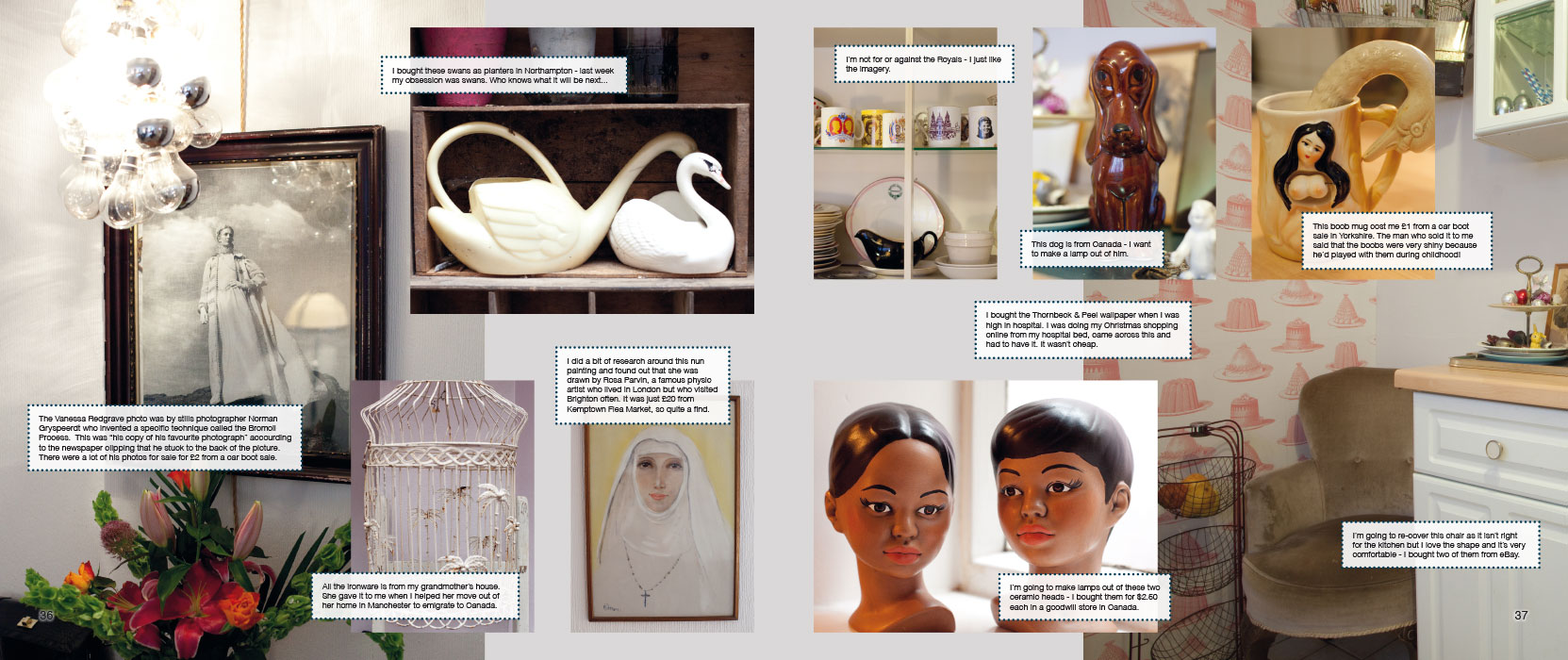
The finished material combined interior photography, object details, short pieces of commentary and designed page spreads.
Rather than separating text and image into rigid sections, the book used captions, annotations and visual groupings to guide the reader through each space, giving the pages the feel of a guided inspection, part tour, part archive.
Selected pages and imagery
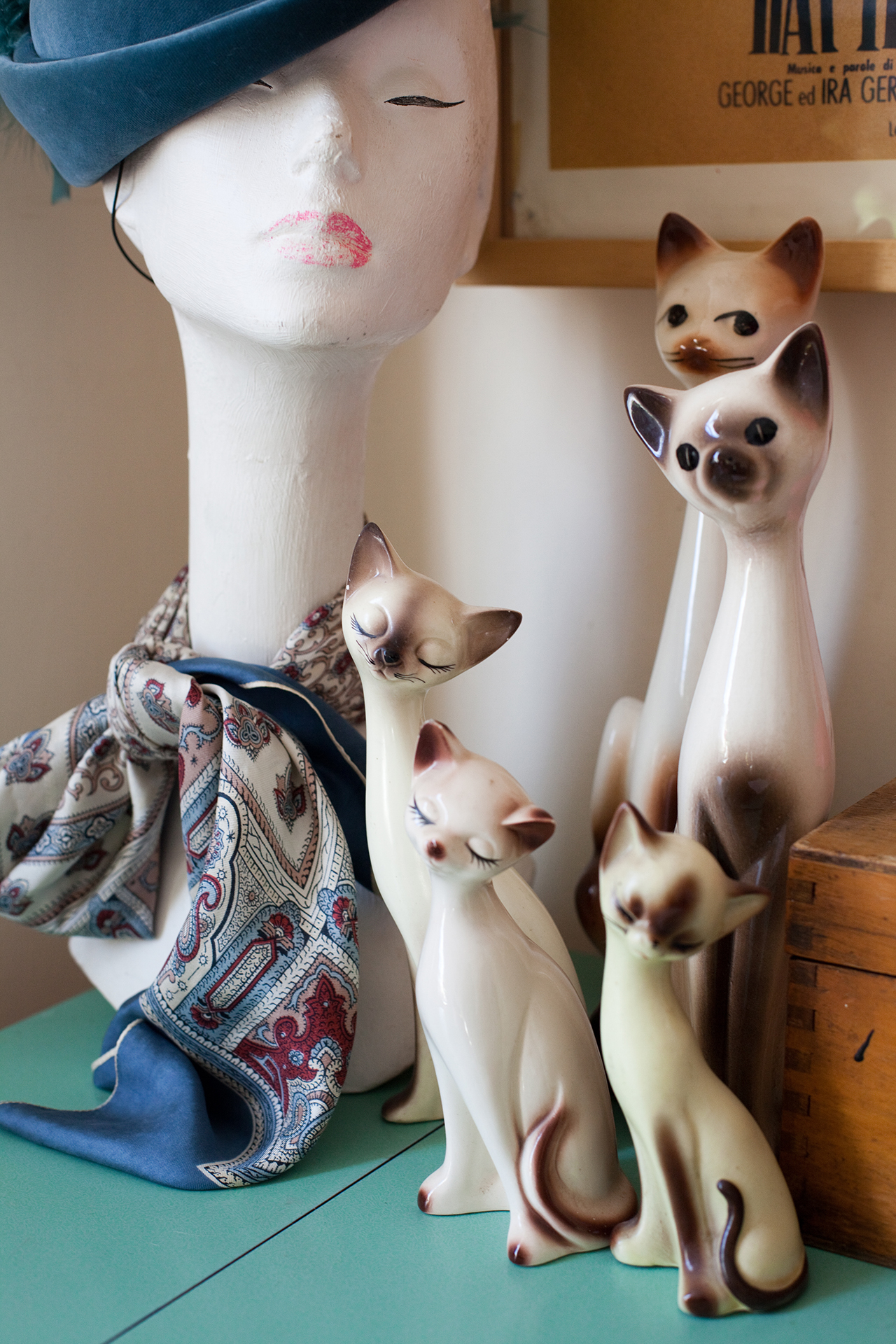
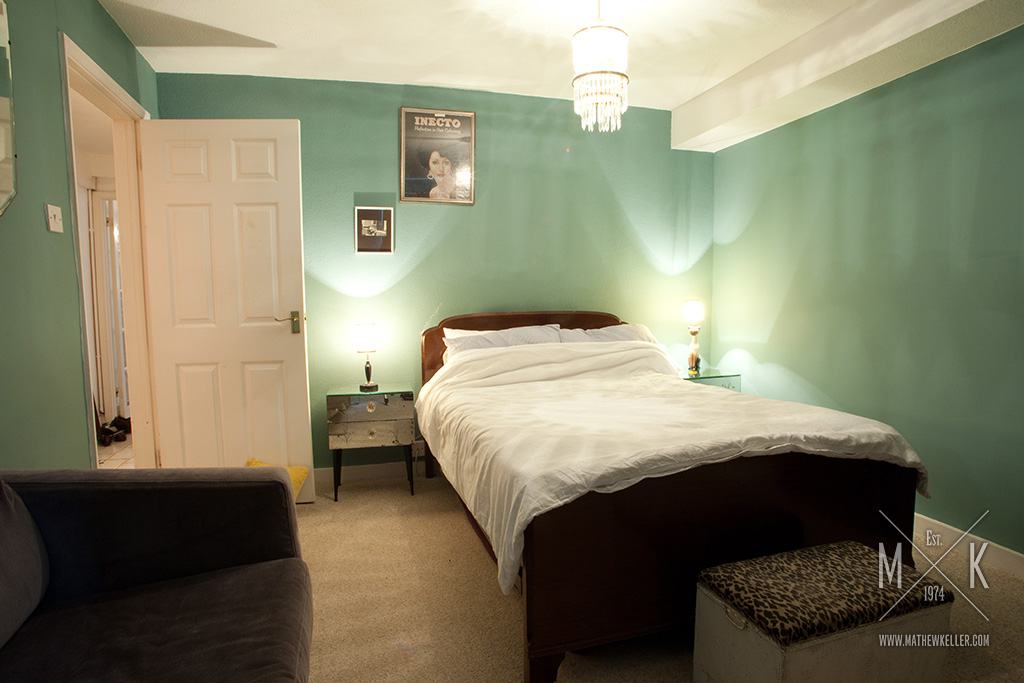
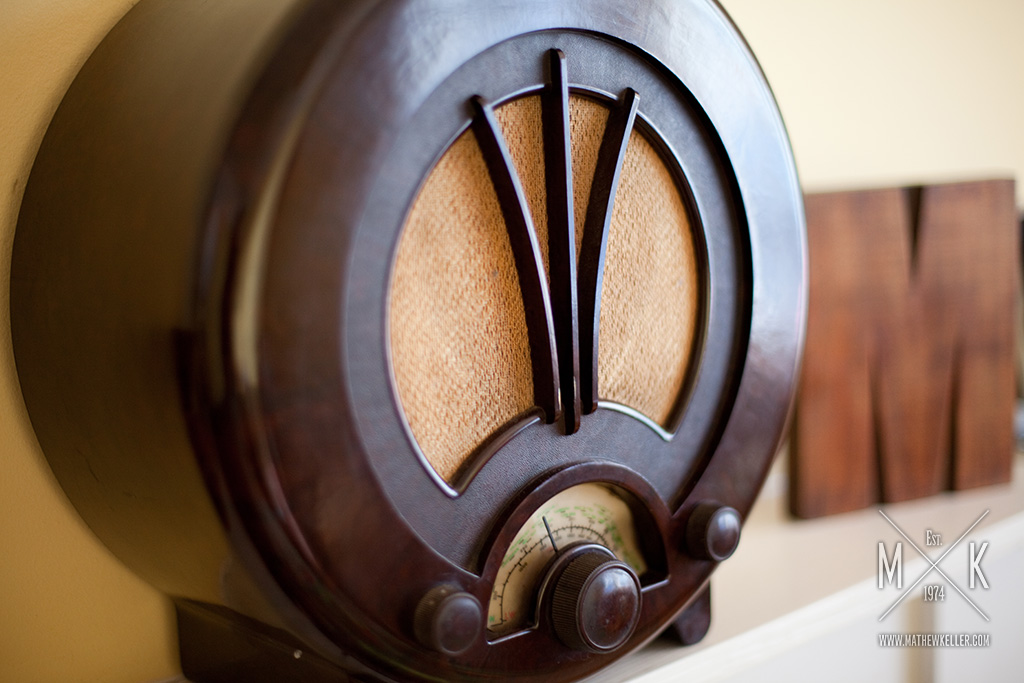
A selection of photography, page layouts and interior details from the project.